19 May Popular Types of Windows for Home and Their Uses
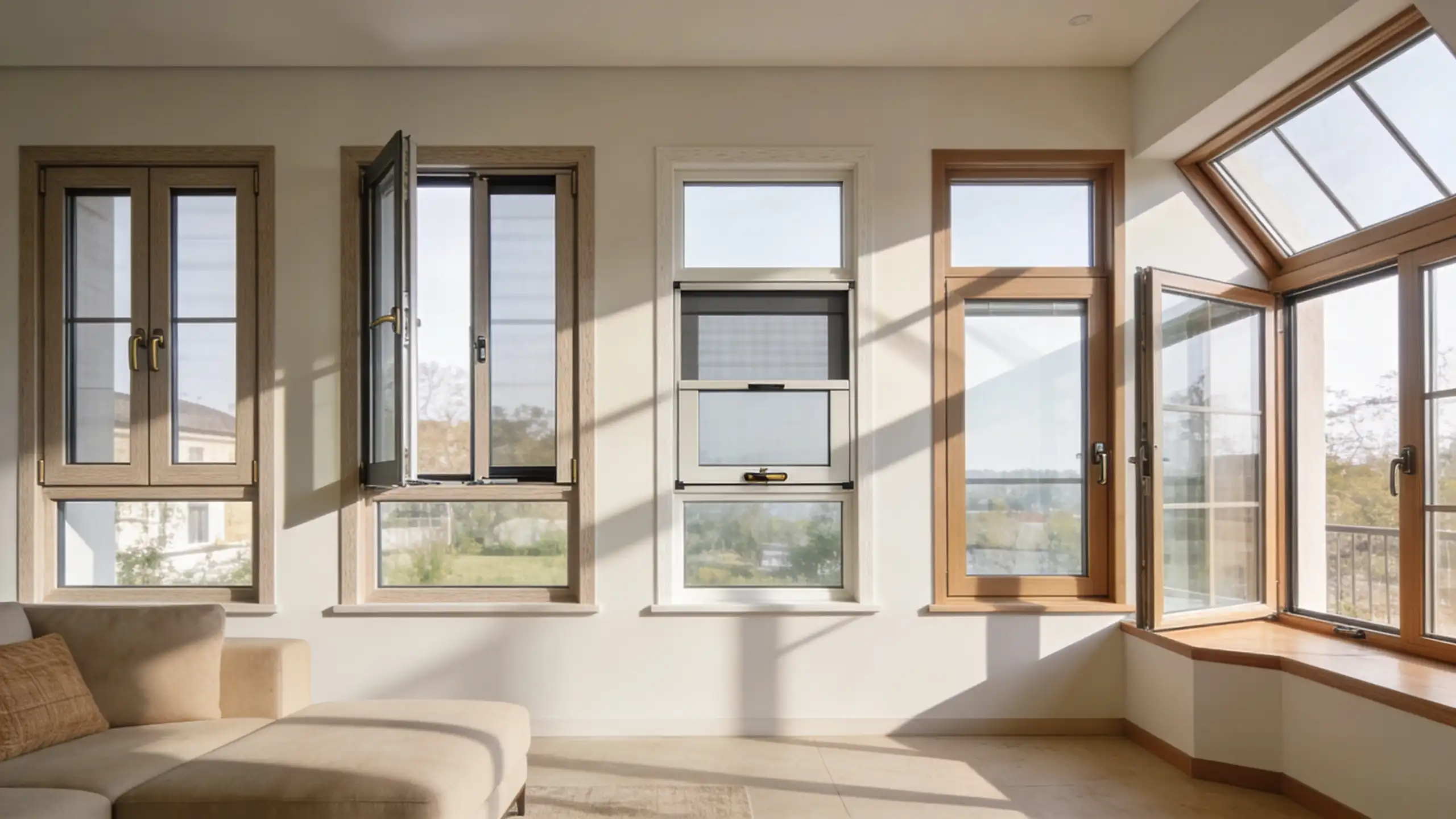
Different types of windows for home include single hung windows, double hung windows, casement windows, sliding windows, picture windows, bay windows, bow windows, awning windows, hopper windows, skylight windows, garden windows, fixed windows, egress windows, tilt and turn windows, and custom home windows. Each style offers different benefits for airflow, energy savings, natural light, privacy, and appearance.
Choosing the right windows can change how your home looks, feels, and performs every day. Some window styles improve airflow, while others bring in more natural light or help lower energy bills. Homeowners often ask what are the different types of windows and which window style is best for a house because every room has different needs.
This guide explains the most popular house windows in simple language. You will learn how different window styles work, where they fit best, and what to consider before replacing old windows. Whether you want better ventilation, more comfort, or a modern look, understanding your window options can help you make a smart decision for your home.
Why Choosing the Right Windows Matters for Every Home
Windows do much more than let sunlight into a room. They help control indoor temperature, improve ventilation, reduce outside noise, and increase curb appeal. Good windows can also make a house feel larger and more welcoming.
Many homeowners focus only on appearance when choosing windows. While style matters, performance matters too. A beautiful window that lets cold air inside during winter may create problems later. The right windows should match both your home’s design and your daily needs.
Energy efficient window types help lower heating and cooling costs. Strong insulation keeps indoor temperatures stable during hot summers and cold winters. This can make your home more comfortable all year.
Safety also plays a big role. Certain window styles open wider for emergency exits, while others provide better security for families with children or pets.
A Simple Guide to Understanding Modern Window Styles
Many people feel confused when they start comparing window styles explained online. There are many choices, and some names sound very similar. The good news is that most window types fall into simple categories based on how they open and what they do.
Some windows slide side to side. Others swing outward or tilt inward. Certain windows stay closed and only provide light. Some styles focus on beauty, while others improve airflow or save space.
Modern window styles often combine design with function. Homeowners today want windows that look clean and attractive while also helping reduce energy waste.
Window frame materials also matter. Vinyl windows remain popular because they need little maintenance. Wood frames offer a classic look, while fiberglass and aluminum frames provide strength and durability.
Before choosing windows, think about these important questions:
- How much natural light do you want?
- Do you need more airflow?
- Which rooms need privacy?
- Do you want easier cleaning?
- Are energy savings important to you?
Answering these questions can help narrow your choices quickly.
What Are the Different Types of Windows for Home?

There are many window options for homes, but most homeowners choose from a few common styles. Each window type offers different benefits.
Single hung windows have one movable section. The bottom part opens while the top stays fixed. These windows are simple and affordable.
Double hung windows allow both the top and bottom sections to move. Many homeowners like them because they improve ventilation and make cleaning easier.
Casement windows swing outward like a door. They provide strong airflow and seal tightly when closed.
Sliding windows move horizontally. They work well in wide spaces and operate smoothly.
Picture windows stay fixed and do not open. They create large outdoor views and bring in lots of daylight.
Bay windows extend outward from the home and create extra indoor space. Bow windows offer a softer curved appearance.
Awning windows open outward from the bottom. Hopper windows open inward from the top. Both styles work well in bathrooms and basements.
Skylight windows sit on the roof and increase natural light from above.
Egress windows provide emergency exits in basement areas.
Tilt and turn windows offer flexible opening options and modern functionality.
Single Hung, Double Hung, and Sliding Windows Explained
Single hung windows remain one of the most common choices for residential homes. They cost less than many other styles and fit traditional house designs well. Since only one section moves, they also reduce air leaks in some cases.
Double hung windows continue to rank among the most popular house windows because they offer better flexibility. Homeowners can open the top, bottom, or both sections at the same time. This helps fresh air move through the house more easily.
Cleaning double hung windows also feels simpler because many models tilt inward.
Sliding windows work differently. Instead of moving up and down, they slide from side to side. They work best in rooms with wider walls because they create broad outdoor views and provide simple operation.
These windows often fit modern homes because of their clean appearance and large glass areas.
Homeowners who want low maintenance window styles often choose sliding windows because they have fewer moving parts compared to other designs.
Casement, Awning, and Hopper Windows for Better Ventilation
Some homeowners care most about airflow. In that case, casement windows usually perform very well.
Casement windows swing outward using a crank handle. Since the entire window opens, fresh air enters the room more easily. These windows also close tightly, which helps improve insulation and energy efficiency.
Awning windows open outward from the bottom while staying attached at the top. This design allows airflow even during light rain because the glass creates a small cover.
Many homeowners place awning windows higher on walls to increase privacy while still letting in sunlight.
Hopper windows open inward from the top. People often install them in basements, laundry rooms, or bathrooms where wall space stays limited.
These styles belong to many energy efficient window types because they create strong seals when closed properly.
When homeowners ask how to choose home windows for better airflow, these three styles often become strong options.
Picture, Fixed, and Skylight Windows for Natural Light
Natural light can completely change the feeling inside a house. Bright rooms often feel larger, cleaner, and more comfortable.
Picture windows remain one of the best windows for natural light because they contain large uninterrupted glass areas. Since they do not open, they focus completely on outdoor views and daylight.
Fixed windows work similarly. They stay sealed shut and help improve insulation because there are no moving parts.
Many homeowners combine fixed windows with operable styles nearby. This creates both beauty and airflow in the same space.
Skylight windows bring sunlight from above. They work especially well in dark hallways, kitchens, bathrooms, and rooms with high ceilings.
Modern skylight windows often include energy efficient glass that helps control heat during warm months.
These window styles for modern homes create open and airy spaces while improving the overall appearance of the interior.
Bay, Bow, and Garden Windows That Add Character to a House

Some window styles focus more on appearance and charm. Bay windows and bow windows can completely change the outside look of a home.
Bay windows usually contain three sections that extend outward from the wall. This creates extra interior space that homeowners often use for seating, plants, or decoration.
Bow windows use multiple glass panels to create a curved appearance. They allow more natural light to enter the room and provide wide outdoor views.
Garden windows extend outward like a small glass box. Many homeowners place plants, herbs, or flowers inside because these windows receive strong sunlight.
These custom home windows help create unique designs that stand out from traditional layouts.
Many homeowners choose these styles for living rooms, dining areas, or kitchens where they want extra beauty and personality.
Specialty Window Types for Safety, Basements, and Modern Designs
Egress Windows
Egress windows are designed for safety. These windows provide an emergency exit from basement bedrooms and lower living areas. They also bring more natural light into dark basement spaces and improve ventilation. Many building codes require egress windows in finished basements for safety reasons.
Tilt and Turn Windows
Tilt and turn windows offer two opening options in one design. Homeowners can tilt the window inward slightly for fresh air or swing it open fully for easy cleaning and maximum airflow. These modern window styles are known for strong insulation, security, and simple maintenance.
Transom Windows
Transom windows sit above doors or larger windows. They are usually smaller in size but help bring extra daylight into hallways, entryways, and living spaces. Many homeowners use transom windows to add architectural detail and improve indoor brightness without sacrificing privacy.
Jalousie Windows
Jalousie windows use horizontal glass slats that open and close together. These windows allow continuous airflow and work best in warm climates where ventilation is important. While less common in modern homes, some homeowners still choose them for sunrooms, patios, and enclosed porches.
Skylight Windows
Skylight windows are installed in the roof to bring sunlight from above. They brighten dark rooms and create a more open feeling inside the home. Modern skylight windows often include energy efficient glass to help control indoor temperatures throughout the year.
Garden Windows
Garden windows extend outward from the wall and create a small shelf like space. Homeowners often use them for plants, herbs, flowers, or decorative items. These windows are popular in kitchens because they increase sunlight and add visual charm.
Fixed Windows
Fixed windows do not open, but they provide wide outdoor views and excellent natural light. Since they stay sealed shut, they often improve insulation and energy efficiency. Many homeowners combine fixed windows with operable window styles for both beauty and airflow.
Custom Home Windows
Custom home windows are designed to fit unique shapes, sizes, or architectural styles. These windows help homeowners create a more personalized appearance while improving curb appeal. Custom windows can include specialty glass, decorative patterns, or modern frame designs that match the style of the home.
Which Window Style Is Best for a House in Idaho Falls?
Climate affects window performance more than many homeowners realize. In Idaho Falls, homes experience cold winters and changing seasonal temperatures. Because of this, insulation and energy efficiency become very important.
Double hung windows, casement windows, and fixed windows often work well in colder climates because they provide strong sealing and insulation when installed correctly.
Homeowners should also look for features like:
- Double pane glass
- Low E coatings
- Gas filled insulation
- Durable frame materials
- Weather resistant seals
These features help improve thermal performance and reduce energy loss.
Picture windows also work well in colder areas when homeowners want more sunlight during winter months. However, choosing high quality glass matters greatly for maintaining indoor comfort.
When deciding which window style is best for a house, homeowners should balance appearance, function, and long term energy savings together.
How to Choose Home Windows Based on Your Room and Lifestyle

Every room inside a home has different needs. A window that works perfectly in one space may not fit another area.
Bedrooms often need windows that provide privacy, airflow, and emergency exits. Double hung windows and casement windows work well here.
Bathrooms usually benefit from hopper windows or awning windows because they allow ventilation while maintaining privacy.
Kitchens often use sliding windows above sinks because they open easily without reaching outward.
Living rooms commonly feature picture windows, bay windows, or bow windows to increase natural light and improve outdoor views.
Families with children may prefer safer window designs with secure locking systems.
Homeowners who want easier cleaning may choose tilt and turn windows because they simplify maintenance.
Comparing window styles carefully helps homeowners avoid expensive mistakes later. Looking at ventilation, cleaning, insulation, durability, and design together creates better long term results.
When to Replace Old Windows and Who to Call for Help
Old windows often show warning signs before complete failure happens. Homeowners may notice drafts, rising energy bills, condensation between glass panes, or difficulty opening and closing windows.
Outside noise entering the home more easily can also signal poor insulation.
Replacing old windows can improve comfort, increase property value, and lower monthly energy costs.
Professional installation matters just as much as window quality itself. Poor installation can lead to air leaks, water damage, and reduced efficiency.
Experienced professionals can explain the comparison of window types clearly and help homeowners choose styles that match their home, budget, and goals.
CK’s Windows & Doors helps homeowners understand their options without making the process confusing. Their team focuses on helping families choose practical solutions that improve both comfort and appearance.
The best windows should fit your lifestyle, not just current design trends. Taking time to compare styles carefully can help homeowners feel more confident about their investment.
If you are thinking about upgrading your windows, CK’s Windows & Doors can help you explore modern window styles, improve energy efficiency, and find solutions that fit your home for years to come.