
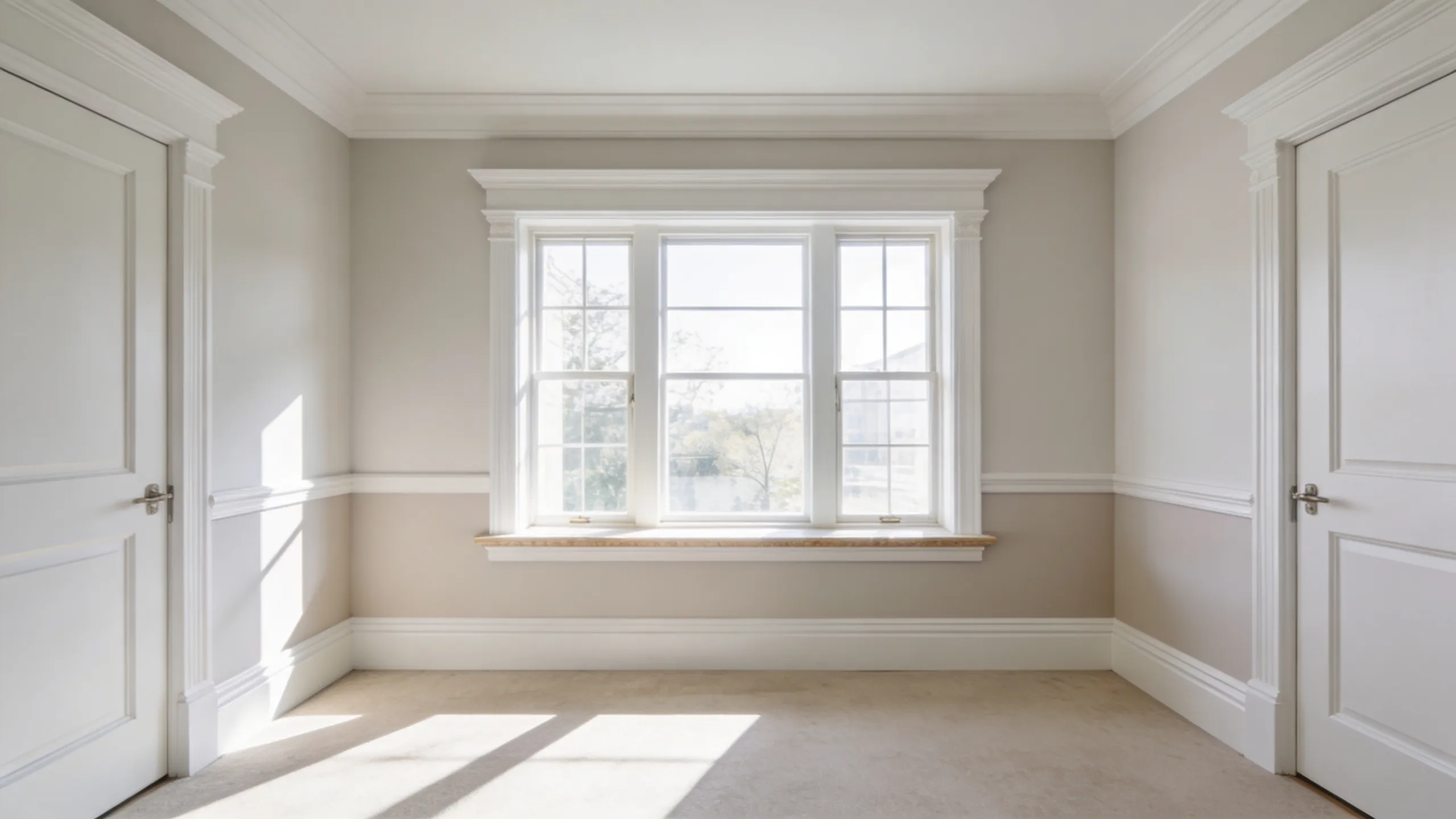
12 May Best Paint for Molding and Trim, A Complete Homeowner Guide
The best paint for molding and trim is usually a durable semi gloss or satin enamel paint made for interior trim, doors, and baseboards. These paints resist scuffs, clean easily, and create a smooth finish that helps molding stand out without looking too shiny.
Choosing the right trim paint can completely change how a room feels. Fresh paint on molding, baseboards, and doors makes walls look cleaner and helps your home feel newer. Many homeowners struggle to decide what paint to use on molding, what finish for trim works best, or how many coats of paint on trim they really need. The good news is that the process is much easier when you understand the basics.
In this guide, you will learn how to choose the right paint for trim, how to prep surfaces, which paint sheen for trim looks best, and simple trim painting tips that help you get cleaner results. You will also learn how to paint around trim without messy lines and how to make painted interior trim last longer.
Why Freshly Painted Trim Changes the Look of Your Home
Many homeowners focus only on wall color when updating a room. Trim often gets ignored even though it frames the entire space. Clean and freshly painted interior trim helps walls, windows, and doors stand out in a better way.
Old trim can make a room feel outdated. Chipped baseboard paint, yellowing molding, and scratched door trim paint can take attention away from the rest of your home. Fresh paint for trim and doors creates a clean and finished appearance.
Painting trim white remains popular because it matches almost every wall color. White trim also reflects light and makes rooms appear brighter. Some homeowners now choose warmer shades instead of bright white to create a softer look.
A good trim paint finish also protects wood from daily wear. Families with pets or children often notice scratches around doors and baseboards. Strong paint for baseboards and trim helps prevent damage and keeps surfaces easier to clean.
How to Choose the Right Paint Finish for Trim and Baseboards
One of the biggest questions homeowners ask is what finish should trim be. The answer depends on the room, lighting, and style of your home.
Semi gloss paint for trim remains the most common option because it offers a balance between shine and durability. It reflects enough light to highlight molding while still hiding small imperfections.
High gloss or semi gloss for trim is another common debate. High gloss creates a bold and shiny appearance, but it can show dents and brush marks more easily. Semi gloss usually works better for most homes because it looks smooth without too much glare.
Satin finishes have become more popular in modern homes. Satin trim paint finish creates a softer look while still offering decent durability. Some homeowners prefer satin in bedrooms or living rooms where they want less shine.
Flat trim paint rarely works well because it stains easily and becomes harder to clean. Most professionals avoid flat paint for trim and doors unless the trim has heavy damage that glossy paint would highlight.
Bathrooms need stronger bathroom trim paint because moisture can damage weaker products. Semi gloss or satin enamel paint usually handles humidity better than flat finishes.
What Type of Paint Works Best for Molding and Interior Trim
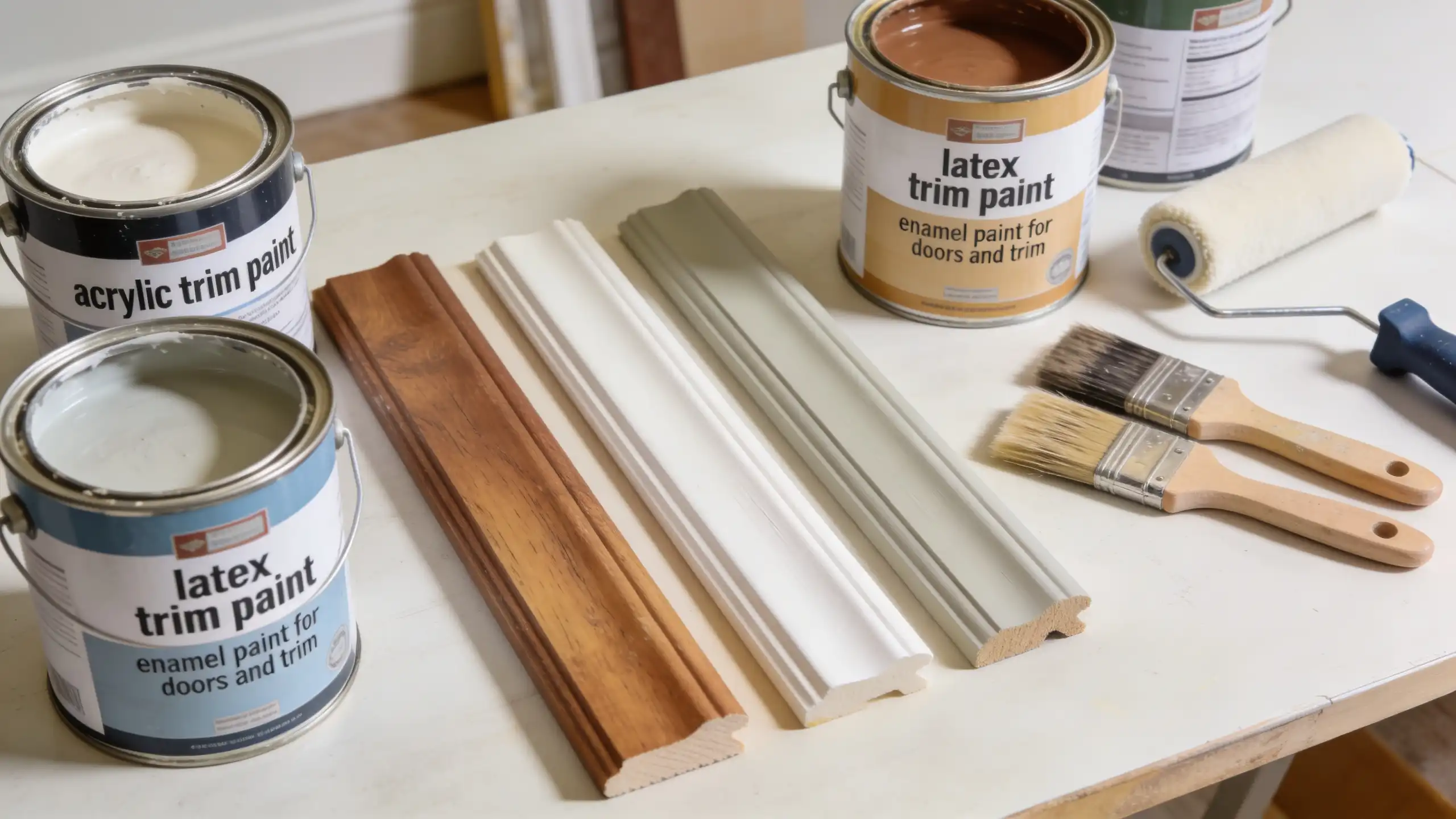
Choosing the right paint type for trim helps molding, baseboards, and doors last longer and look cleaner. Different paint types create different finishes, durability levels, and maintenance needs. Here are the most common types homeowners use for painted interior trim.
Acrylic Trim Paint
Acrylic trim paint is one of the most popular choices for modern homes. It dries quickly, has low odor, and cleans up easily with water. Many homeowners prefer acrylic paint for trim and doors because it resists cracking and fading over time.
This paint type also works well for paint for window trim and baseboards because it handles normal indoor temperature changes better than older oil based products.
Latex Trim Paint
Latex trim paint is another common option for interior paint for trim. It spreads smoothly and works well for homeowners who want an easier painting process. Many newer latex paints now include enamel strength, which improves durability.
Latex paint for molding is often used in bedrooms, living rooms, and hallways because it dries fast and creates a clean finish.
Enamel Paint for Doors and Trim
Enamel paint for doors and trim creates a harder outer surface compared to standard wall paint. This makes it a good trim paint for busy areas with pets, children, or heavy traffic.
Many professionals recommend enamel for paint for interior doors and trim because it helps prevent scratches, fingerprints, and scuff marks.
Semi Gloss Paint for Trim
Semi gloss paint for trim remains the most recommended option for most homes. It reflects light nicely while still hiding small flaws better than high gloss paint.
Semi gloss paint for trim and doors also cleans easily, making it ideal for baseboards, door frames, and molding near high traffic areas.
High Gloss Trim Paint
High gloss trim paint creates a bold and shiny appearance. It works best in modern homes or rooms where homeowners want molding to stand out more.
However, gloss trim paint can highlight dents, brush marks, and surface damage. Proper prep work becomes very important before applying high gloss finishes.
Satin Trim Paint
Satin trim paint creates a softer appearance than semi gloss. Many homeowners choose satin when they want trim to blend naturally with walls instead of standing out sharply.
Satin paint sheen for trim works well in bedrooms and low traffic spaces where durability matters less than appearance.
Oil Based Trim Paint
Some older homes still use oil based paint for wood trim because it dries into a very hard finish. Oil based products often level smoothly and reduce visible brush strokes.
However, oil based paint takes longer to dry and produces stronger odors. Many homeowners now prefer newer acrylic enamel products because they offer similar durability with easier cleanup.
Best Paint for Molding and Trim in Idaho Falls Homes
Homes in Idaho Falls often deal with changing temperatures throughout the year. Dry winter air and seasonal moisture changes can affect painted molding and doors.
That is why homeowners should choose paint for trim and baseboards that stays flexible and durable. Cheap paint may crack faster when temperatures shift inside the home.
Semi gloss paint for trim and doors usually works well in colder regions because it holds up against daily wear and changing indoor conditions. Acrylic enamel paints also resist fading and yellowing better than many older products.
Window trim often faces more sunlight than other areas. Good paint for window trim helps protect surfaces from fading and discoloration.
Many professional painters recommend premium products for interior trim because lower quality paint can leave visible roller marks and uneven coverage. Spending slightly more on quality trim paint often saves money later because the finish lasts longer.
Semi Gloss, Satin, or High Gloss, Which Trim Paint Finish Is Better?
Every paint sheen creates a different appearance. Understanding these differences helps homeowners avoid disappointment after painting.
Semi gloss for trim remains the safest option for most rooms. It provides durability while keeping a clean and classic appearance. Semi gloss baseboards also clean easily after scuffs or dirt marks.
High gloss trim paint creates a dramatic appearance and reflects more light. Some homeowners love the bold finish, especially in modern homes. However, high gloss also highlights flaws. Small dents and sanding mistakes become easier to see.
Satin trim finish creates a softer appearance. Many homeowners choose satin when they want trim to blend more naturally with walls. Satin still works well for painted interior trim but may not resist scratches as well as semi gloss.
Paint sheen for baseboards matters because baseboards receive more contact from shoes, vacuums, and furniture. Semi gloss baseboard paint usually handles heavy traffic better than satin or flat paint.
When comparing semi gloss vs high gloss for trim, think about lighting and maintenance. Bright rooms already reflect enough light, so semi gloss often looks more balanced.
How to Prep Trim Before Painting for a Smooth Professional Finish
Preparation affects the final look more than most people realize. Even expensive paint cannot hide dirt, peeling surfaces, or rough sanding marks.
Start by cleaning trim with a damp cloth and mild cleaner. Dust and grease prevent paint from sticking properly. This step matters most in kitchens and bathrooms.
Next, fill dents or nail holes with wood filler. After the filler dries, sand the area until smooth. Sanding also removes glossy surfaces that stop new paint from bonding correctly.
Many homeowners skip sanding because it feels time consuming. However, sanding helps trim paint finish look smoother and more even.
Painter’s tape helps protect walls while learning how to paint around trim. Press tape firmly along edges to reduce paint bleeding.
Primer may also help when switching from dark trim to lighter colors. The best primer for trim and baseboards blocks stains and improves paint coverage.
Good preparation reduces brush marks and helps paint for interior trim last longer.
Tips for Painting Interior Trim Like a Professional
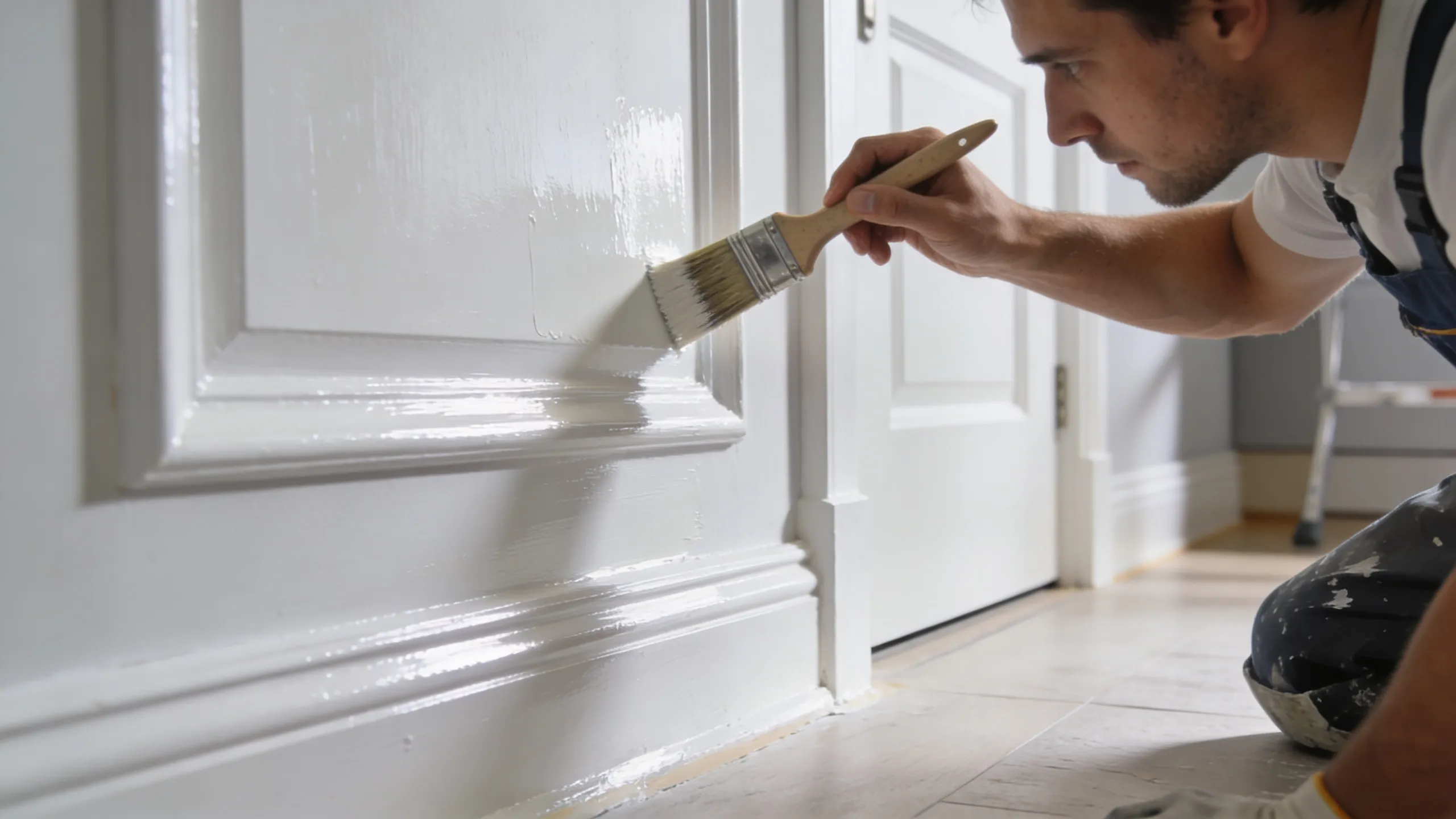
Learning how to paint interior trim becomes easier with the right tools and patience.
Use a high quality angled brush for detailed work around molding and corners. Cheap brushes often leave loose bristles and uneven lines.
Start by painting smaller edges first. Then move toward larger flat surfaces. Long and smooth brush strokes usually create cleaner results than short strokes.
Many professionals prefer painting trim before walls because it feels easier to fix wall paint later. If walls are already painted, painter’s tape becomes very important.
When painting door trim, avoid applying too much paint at once. Thick paint layers can drip and create uneven texture.
One common trim painting tip involves maintaining a wet edge. This means painting continuously across a section before the paint begins drying.
Painting trim white may require multiple coats because white paint sometimes covers unevenly over dark surfaces.
If you wonder how many coats of paint for trim are necessary, most projects need two coats for solid coverage and durability.
The Best Way to Paint Doors, Baseboards, and Window Trim Together
Painting trim of house projects becomes much easier when homeowners follow a clear process. Working in the right order helps create smoother results and keeps the finish looking consistent throughout the home.
Start With Proper Cleaning
- Remove dust, grease, and dirt before painting
- Clean paint for baseboards and trim areas carefully because floors collect more dust
- Allow surfaces to dry completely before sanding or priming
Sand the Trim and Doors
- Light sanding helps paint stick better
- Smooth rough spots around molding and door trim paint areas
- Sand glossy surfaces before adding new paint for trim and doors
Use Painter’s Tape Around Walls
- Tape helps create cleaner paint lines
- Protect nearby walls while learning how to paint around trim
- Press tape edges firmly to reduce paint bleeding
Prime Damaged or Dark Surfaces
- Primer improves coverage and durability
- Use primer when changing from dark trim to white paint
- Primer also helps paint for interior doors and trim look more even
Paint Window Trim First
- Paint for window trim often needs more drying time because of sunlight exposure
- Start with detailed molding and corner areas first
- Use smooth brush strokes for a cleaner trim paint finish
Move to Doors and Door Frames
- Painting door trim carefully helps avoid drips near handles and edges
- Apply thin coats instead of heavy layers
- Semi gloss paint for trim and doors usually creates the best balance between durability and appearance
Finish With Baseboards
- Paint for baseboards should be applied last because baseboards collect dust during sanding and prep work
- Use long brush strokes for smoother coverage
- Semi gloss baseboard paint helps resist scuff marks and shoe damage
Allow Enough Drying Time Between Coats
- Most trim paint needs at least two coats
- Let each layer dry fully before adding another coat
- Rushing the process can leave streaks or uneven texture
Check for Missed Spots in Bright Light
- Bright lighting helps reveal thin coverage or brush marks
- Inspect corners, edges, and molding details carefully
- Touch up small areas before removing painter’s tape
Keep Extra Paint for Future Touch Ups
Label paint cans clearly for easier future repairs
Save leftover paint for scratches or chips later
Store trim paint in a cool and dry place
How Many Coats of Paint Does Trim Really Need?
Many people hope one coat will save time, but trim usually needs at least two coats for strong coverage.
The first coat often acts like a foundation. It helps reveal rough spots, sanding marks, or missed holes that need fixing before the final coat.
How many coats of paint on trim depends on color changes and paint quality. White paint over dark wood may require extra coverage. High quality trim paint usually covers better and dries more evenly.
Some homeowners apply thick coats to finish faster. Unfortunately, thick paint dries unevenly and may leave drips.
Thin and even coats usually create the best finish for trim paint. Allow enough drying time between coats to prevent peeling or streaks.
Primer also affects coverage. If old trim has stains or glossy surfaces, primer helps new paint bond correctly.
When using paint for molding or doors, patience often creates the smoothest results.
How Much Paint Do You Need for Trim and Baseboards?
One gallon of paint covers more trim than many homeowners expect. However, exact coverage depends on room size, number of doors, and trim style.
People often ask how much paint for trim they really need. Small rooms with simple molding may only require one quart. Larger homes with crown molding, baseboards, and several doors usually need more.
How much trim paint do I need also depends on whether primer is necessary. Bare wood absorbs more paint than already painted surfaces.
Textured molding and older wood trim may require additional coats because rough surfaces absorb paint unevenly.
Before shopping, measure baseboards, doors, and windows. This helps prevent running out of paint during the project.
Many homeowners buy slightly more paint than necessary for future touch ups. Keeping extra trim paint helps repair scratches later without color differences.
When to Upgrade Your Trim Instead of Just Repainting It
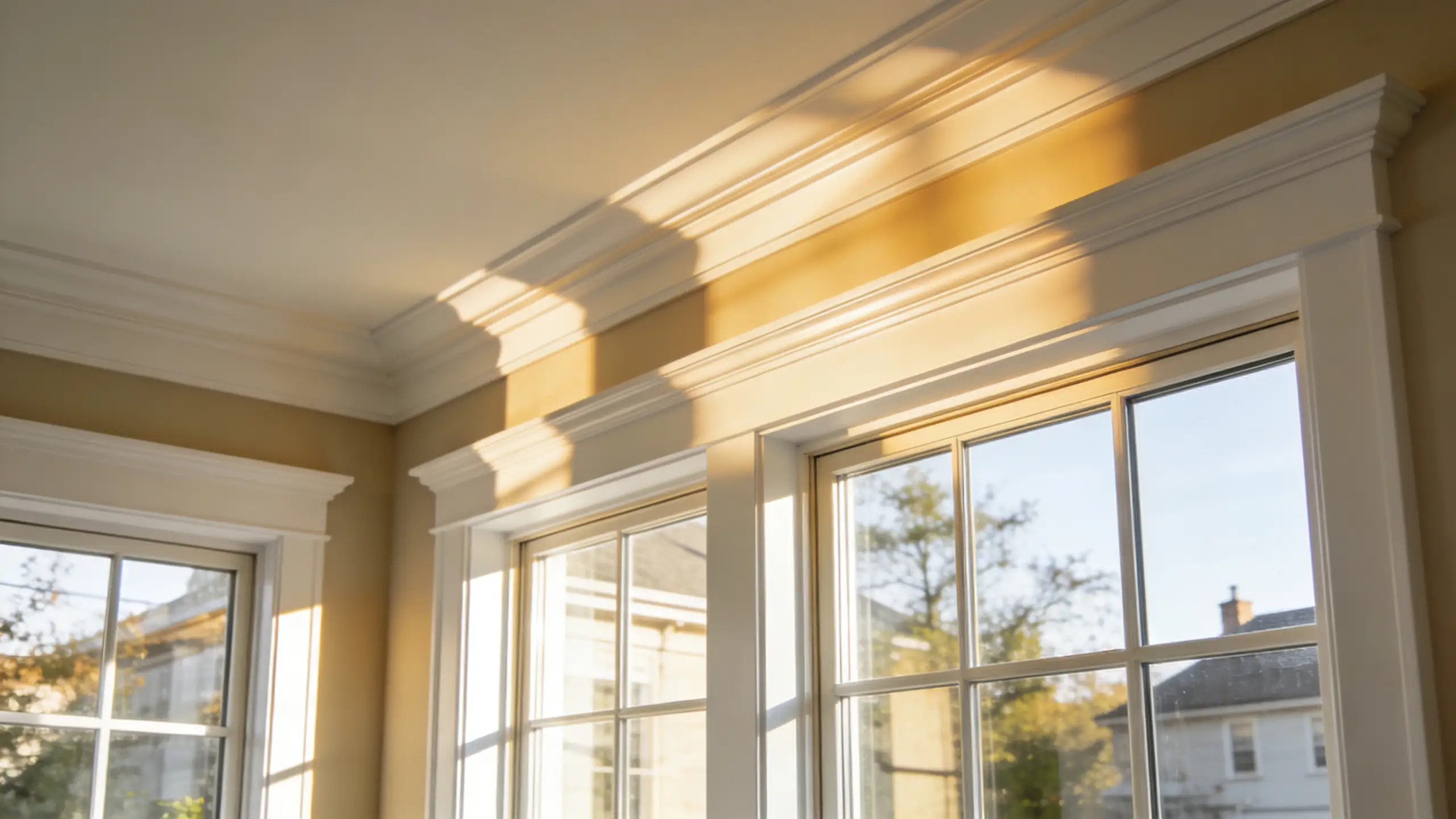
Sometimes repainting alone cannot fix damaged trim. Cracked molding, swollen wood, or water damage may require replacement instead of another coat of paint.
Older trim styles can also make homes feel outdated. Replacing trim creates cleaner lines and improves the overall appearance of walls and windows.
Homeowners updating doors or windows often replace molding at the same time for a more polished result. New trim paired with fresh paint creates a major visual improvement without a full remodel.
Many homeowners updating windows and doors also choose to refresh their trim and molding for a cleaner finished appearance. Older trim can make even new windows look outdated, while updated molding helps rooms feel brighter and more modern.
Choosing the best paint for molding and trim starts with understanding finish, durability, preparation, and paint type. Quality products and proper prep work help trim stay cleaner and last longer. Small details like baseboards, window trim, and doors may seem minor, but they have a major impact on how your home feels every day.
CK’s Windows & Doors helps homeowners create cleaner, more polished interiors with quality craftsmanship and attention to detail. If your trim, doors, or molding need an upgrade, now is a great time to improve the look and value of your home.